Housing Venture Lab
BRINGING PROMISING SOLUTIONS TO SCALE

Our accelerator program provides wraparound support for entrepreneurs with bold ideas to make housing more equitable, accessible, and sustainable.
In 5 years, we’ve provided 36 ventures with $2.1M in funding, in-depth coaching, and connection to a network of support. 100% of alumni say they would recommend the program to other founders.
It’s not easy to build something new. The Housing Venture Lab can help.
Tracks
The program's two tracks are designed to support ventures working in fields with significant potential for innovation. We also have more specific areas of interest for this year's cohort.
As demand for housing rises in the United States, our housing supply is limited by the high cost of construction.
Ventures in the Building Innovation track are working to improve how housing is designed, built, or delivered. These ventures typically focus on new construction methods, building materials, or technologies intended to lower costs, reduce timelines, and build more high-quality homes for people across income levels.
You’ll receive coaching from industry leaders in fabrication and manufacturing, supply chain management, strategic partnerships, productization, and more. We’ll support your growth, whether that means identifying policy or funding opportunities, strengthening your partnerships with suppliers or customers, or refining your product development roadmap. We also offer a one-of-a-kind opportunity to learn from advanced industrialized construction ecosystems abroad.
What this looks like: Volumetric modular and panelized home production, interoperable components or kit-of-parts systems, platforms for demand aggregation, and other approaches to reduce housing delivery costs
In our portfolio: B.Public Prefab, Cloud Apartments, Cycle Retrotech, Hydronic Shell Technologies, Kit Switch, MODS PDX, Module, Villa
Housing in the United States is widely unaffordable, with persistent, deeply rooted inequities.. The status quo isn’t working.
Ventures in the Opportunity and Access track are working to expand access and economic mobility for people across income levels. These ventures aim to improve housing outcomes through scalable tools, products, financial solutions, or ownership models that help people find, secure, or preserve housing.
You’ll receive coaching from leaders with deep experience in wealth building, housing access, renter stabilization, and more. We’ll support your growth, helping to clarify product-market and mission fit, identify new sources of revenue, and build relationships with future partners.
What this looks like: limited equity alternatives to homeownership, cooperative housing structures, small scale rental income programs, credit-building tools, disability-forward housing options
In our portfolio: Blackstar Stability, BuildCasa, Esusu, Frolic, Housing Connector, The Kelsey, LadderUp, ROC USA, Trust Neighborhoods
What we offer


A $75,000 investment in product development and growth, in the form of a grant (for nonprofit organizations) or a Simple Agreement for Future Equity (for for-profit organizations)
“The seed funding was critical in demonstrating our value to other funders, and helped us bring on two full time hires who will help us unlock new debt financing for future expansion.”
—Tom Voutsos, Co-Founder & CEO, LadderUp
Biweekly meetings with a relevant expert in policy, business strategy, or housing production to address your most pressing challenges.
“We were connected with industry leaders and mentors who helped pressure test our ideas to maximize impact in a sustainable way. The Housing Venture Lab amplified our impact and has allowed us to open pathways for national expansion.” —Shkëlqim Kelmendi, Founder & CEO, Housing Connector
Introductions to Terner Labs’ unparalleled network of builders, policymakers, nonprofits, funders, and institutional partners to help you reach your goals, including through two annual in-person events, including our annual innovation symposium.
“The Housing Venture Lab helped us expand upon our previous customer discovery efforts and better understand market segmentation, thus strengthening our product-market fit.” —Armelle Coutant, Co-Founder & CEO, Kit Switch
Opportunities to refine your pitch and clarify your message, including through a short film about your work.
Learn alongside a diverse, close-knit group of fellow founders and connect with a growing community of Housing Venture Lab alumni.
“Building relationships with cohort members, alumni and Terner Labs staff continues to be an invaluable gift. It’s opened up so many ideas and helped us grow past obstacles. These relationships will continue to be important to our organization for years to come.” —Taryn Sandulyak, Executive Director, Firm Foundation
Criteria
We work with for-profit and non-profit organizations that have early proof of a viable model and are ready to grow.
For each application cycle, we have specific areas of interest - developed through conversations with partners, community leaders, and investors - which we believe have the greatest potential for impact. We are particularly interested in (but not limited to) ventures working in these areas.
Factors we consider when reviewing applications include:
Could this concept make housing more affordable and/or accessible at scale, either by growing nationally or by creating a model that is replicable by others?
How new and creative is the core concept, and how well does it address today’s housing challenges?
Do the core elements of the organization’s product or service work? Are the barriers the organization may face in the regulatory landscape overcomeable? Is there a path to long-term profitability and/or an ability to attract the outside investment needed to grow?
Does the core team have the skills necessary for success? Can they attract additional talent to help them grow?
Will the Housing Venture Lab’s support help move the venture to the next phase of growth faster?
Housing Venture Lab Cohorts

Home appraisals are meant to be neutral assessments of a home’s estimated fair market value - but the reality is more complicated. A report from the Brookings Institute found that homes in majority-Black neighborhoods are valued at 23% less than comparable homes in other neighborhoods. Over time, this amounts to a significant devaluation of assets held by Black families - $156 billion in cumulative losses.
As an appraiser herself, Jillian White witnessed these errors firsthand - and saw how difficult it was for the average person to fight them. She founded 2024 Housing Venture Lab cohort venture Appraisal Insights to educate regulators, build tools for mitigating error, and create a pathway to recourse for homeowners who want a second, fairer valuation of their homes.
Learn how Jillian combined deep expertise and personal experience to change the appraisal industry for the better.
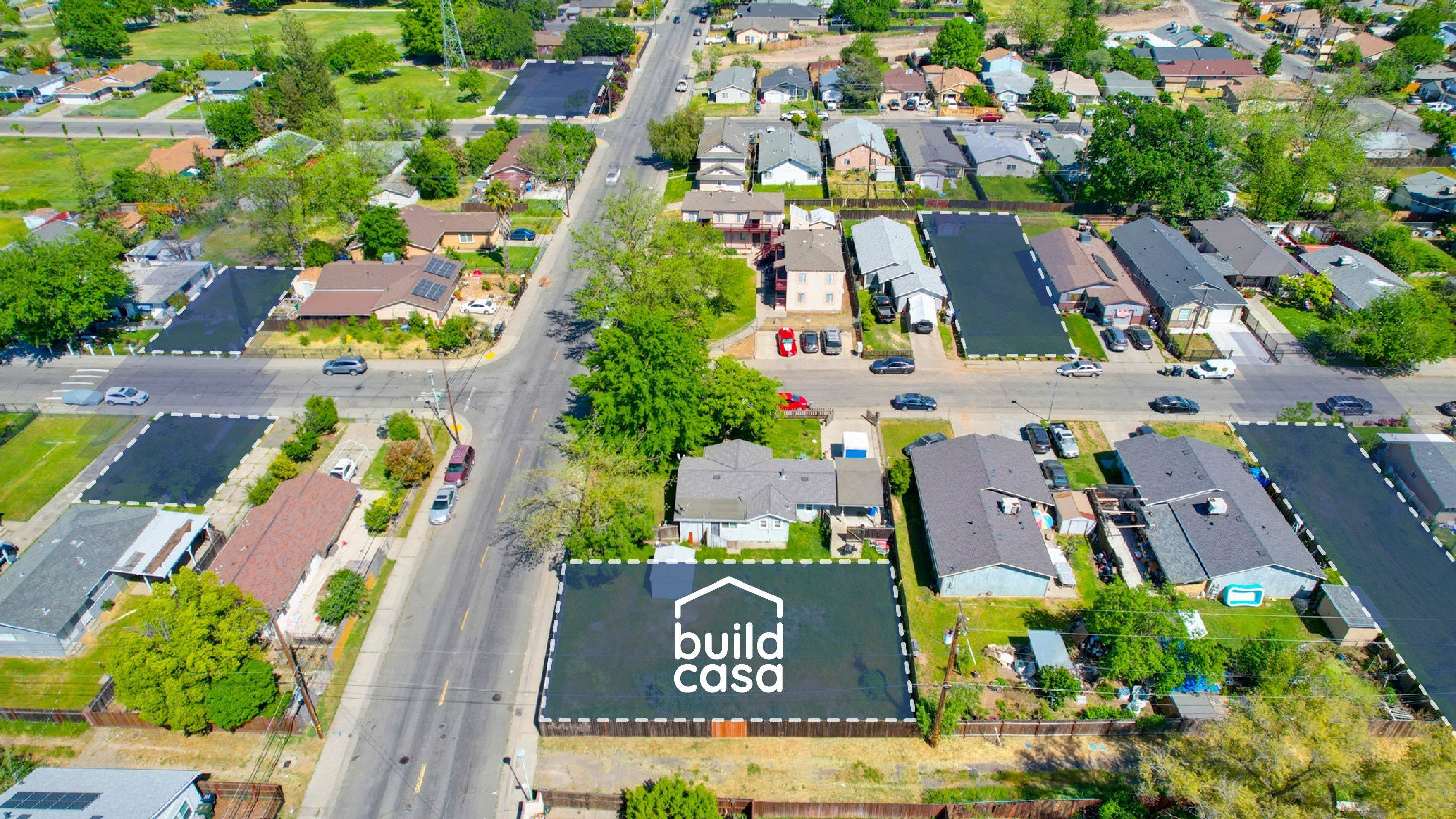
BuildCasa’s founders, Ben Bear and Paul Steidl, aim to create more homeownership opportunities by building housing in existing neighborhoods. Paul’s experience growing up in a close-knit Pittsburgh neighborhood helped inform the founders’ vision for dense, walkable, mixed-income communities.
A 2021 California law, SB9, opened up a pathway for making this vision a reality by allowing homeowners to split their lots and build homes on the resulting new parcels. BuildCasa now has 100 units approved or under construction across the state, and a new $750,000 investment from the Chan Zuckerberg Initiative will support the creation of additional homes for low-income first-time homeowners.
Through the Housing Venture Lab, BuildCasa has worked to refine their business model and fundraising strategy and respond to a changing policy landscape. Watch to learn more about how BuildCasa works to expand housing access in California neighborhoods.

Housing Connector increases access to housing for individuals most in need, by solving financial and resident challenges for property managers so they can lower screening criteria and open more doors to people that have historically been discriminated against.

Kit Switch lowers the cost of construction and simplifies the adaptive reuse of buildings for housing through the design and production of modular interiors. Their first product line of ready-to-install kitchen modules are standardized, designed for ease of assembly and fully reconfigurable for reuse.
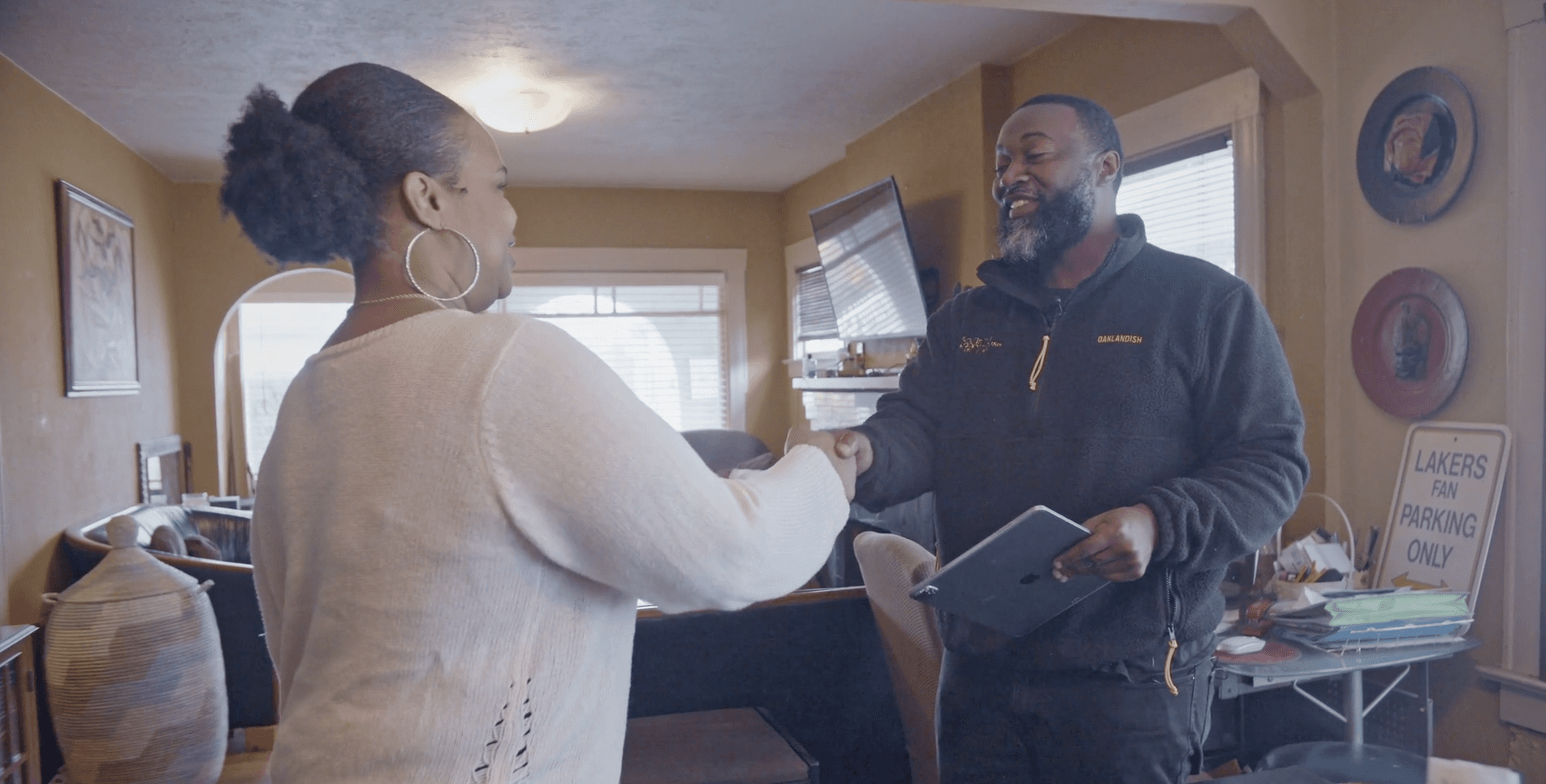
Revalue.io provides building improvements to prepare hard to reach homeowners for the transition to clean energy electrification via a network of women contractors and contractors of color.
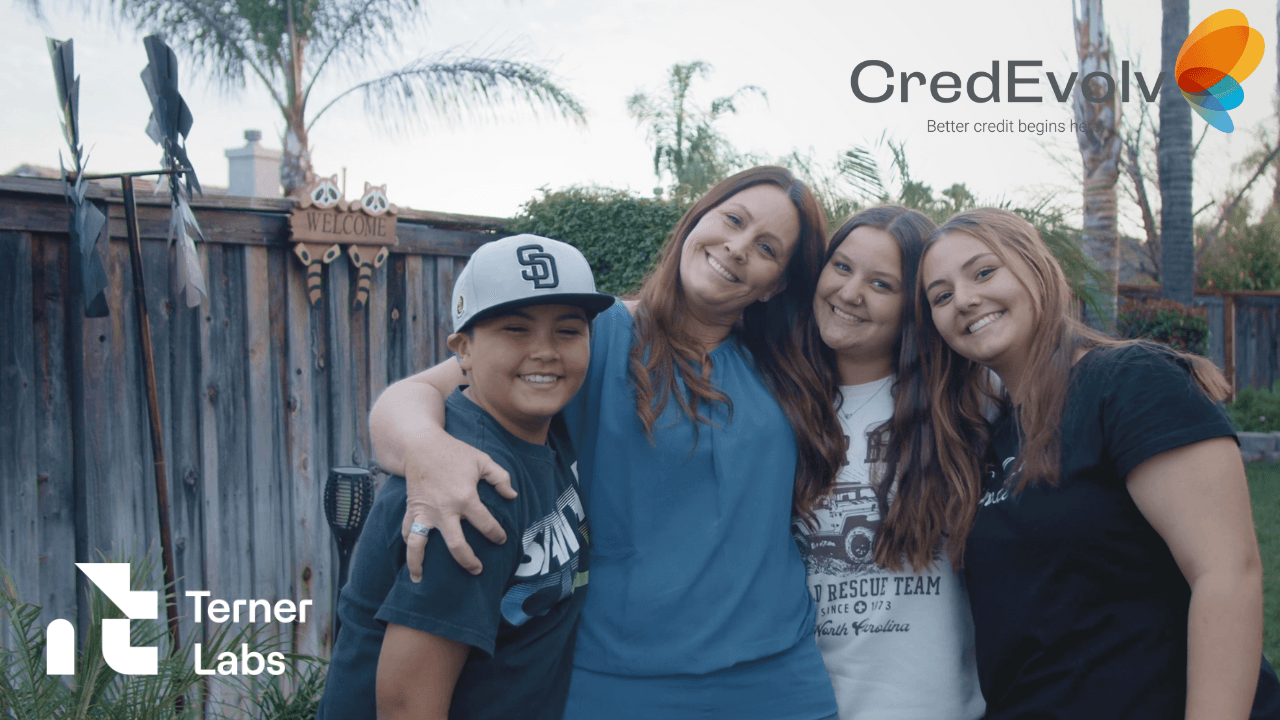
Credevolv addresses inequities in mortgage access by connecting lenders, declined borrowers, and nonprofit financial counselors through a tech platform, linking denied borrowers with financial counselors to improve their credit score.

ANWOL facilitates the reentry of formerly incarcerated women by providing housing and services through their Sisterhood Alliance for Freedom and Equality (SAFE) Housing Network. The network has developed 41 SAFE homes across 18 U.S. states and three sites in Africa.
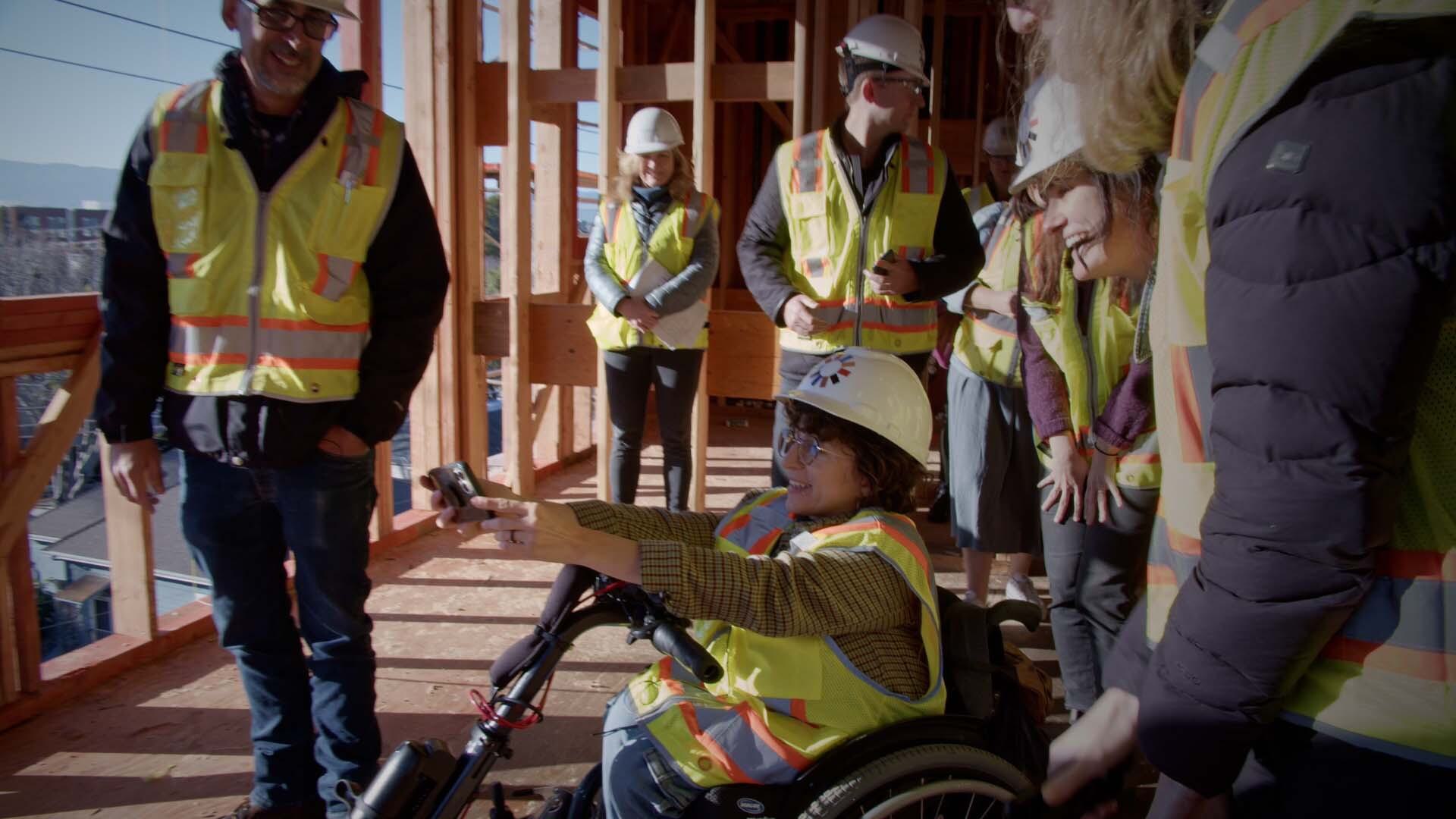
The Kelsey advances disability-forward housing solutions that open doors to homes and opportunities for everyone. We both co-develop affordable, accessible, inclusive housing and lead advocacy and field-building efforts to create market conditions so inclusive housing becomes the norm.

The Guild is a BIPOC worker-owned cooperative building community-owned real estate in historically black neighborhoods through two funds that make residents and businesses co-owners of a trust, enabling local communities to build equity over time.

Pronto creates software to make affordable housing processes efficient, easy and accessible - starting with resident qualification. Pronto streamlines compliance for any affordable housing program, from Federally subsidized to local programs, attainable housing, and everything in between.

Parity is an equitable development company that unlocks housing in historically redlined neighborhoods by creating pathways for existing residents, families, and collectives to purchase abandoned homes together block by block as a means of community-building and wealth-building.
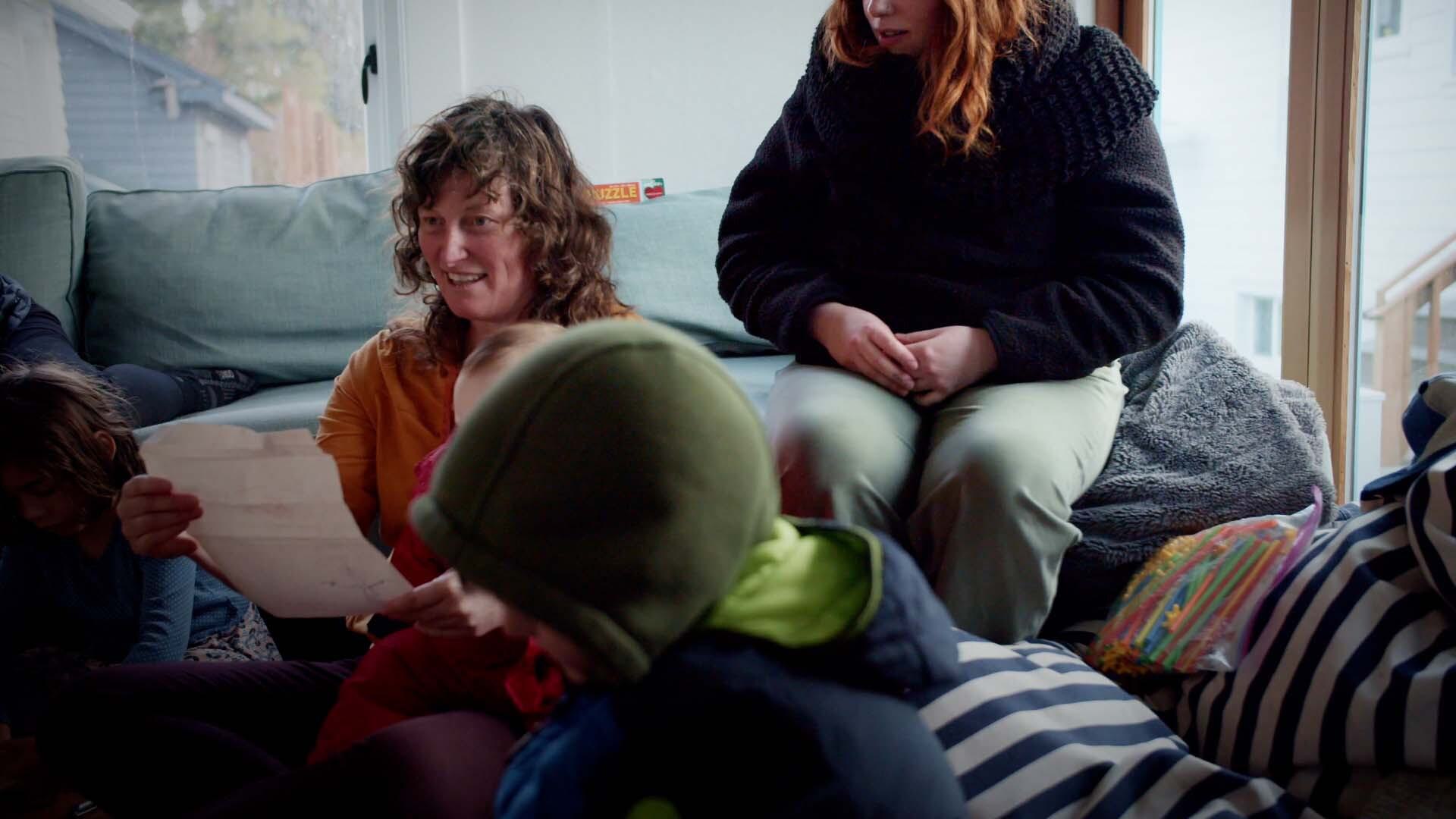
Frolic Community partners with single-family homeowners in gentrifying neighborhoods to co-develop multi-family housing on their properties. These small cooperatives of 6-10 units are sold at affordable prices to low-wealth, middle-income families, with down payments between $10 - $40k.
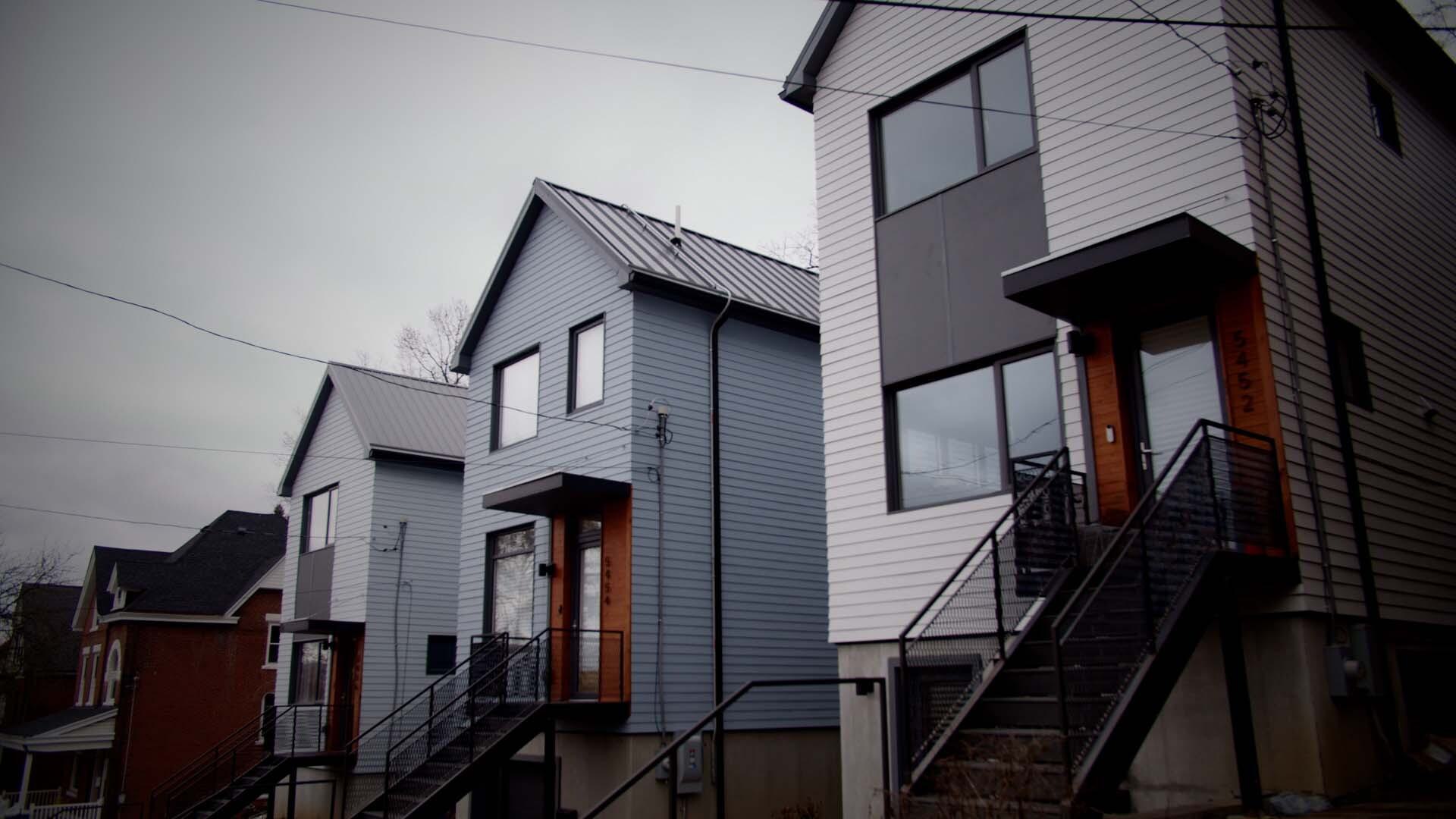
Module enables mission-driven housing providers to deliver new housing more quickly with higher quality control. The company designs, builds, and delivers sustainable, prefab homes. Module's homes are all-electric, & designed for affordable homeownership and missing middle housing.
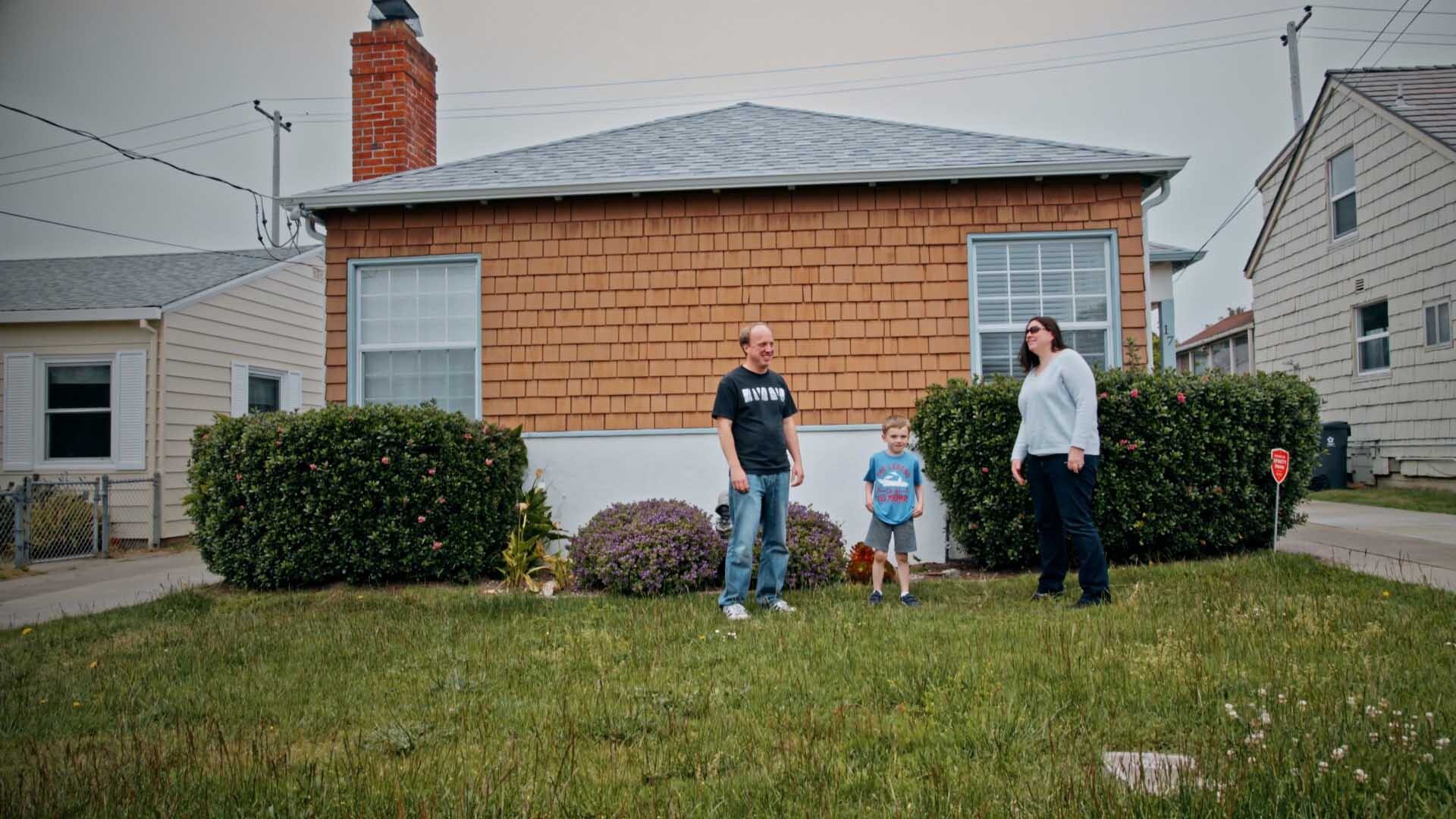
True Footage is a valuation company building software for appraisers and providing fair appraisal services for lenders nationwide.

The Homecoming Project at Impact Justice pairs individuals returning home from prison with welcoming community residents (hosts) who have a room in their homes to spare.

Trust Neighborhoods creates community-controlled real estate where gentrification threatens displacement. They created the Mixed-Income Neighborhood Trust, or MINT, that owns and operates a portfolio of rental housing under community control to maintain permanent affordability.
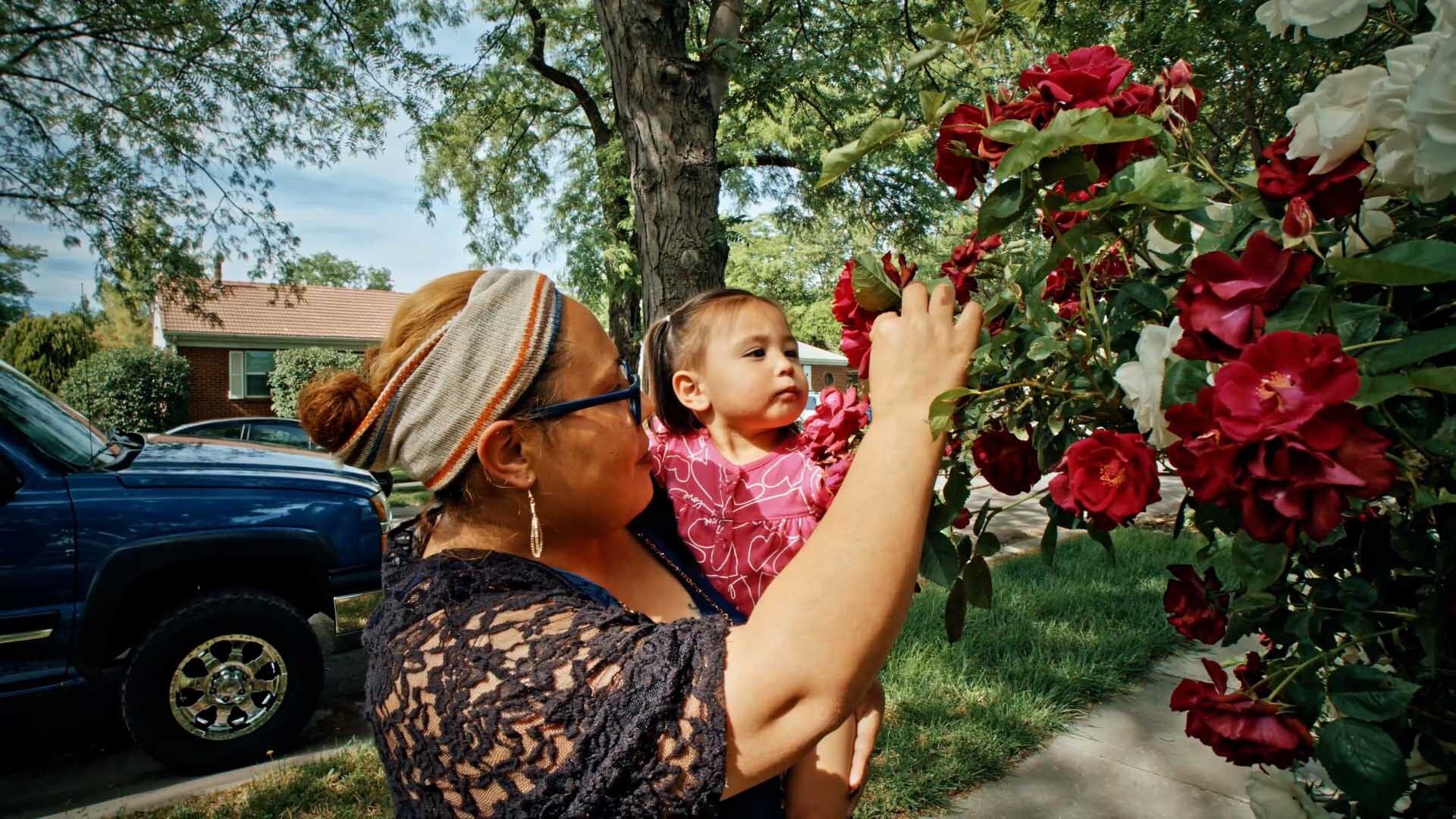
Blackstar Stability is a real estate investment management company that stabilizes communities by expanding equitable ownership of affordable single-family homes. They change the lives of working-class families by turning predatory land contracts into real mortgages.

Los Angeles Room & Board (LARNB) unlocks underutilized buildings to create live-learn co-living communities for community college students experiencing homelessness.
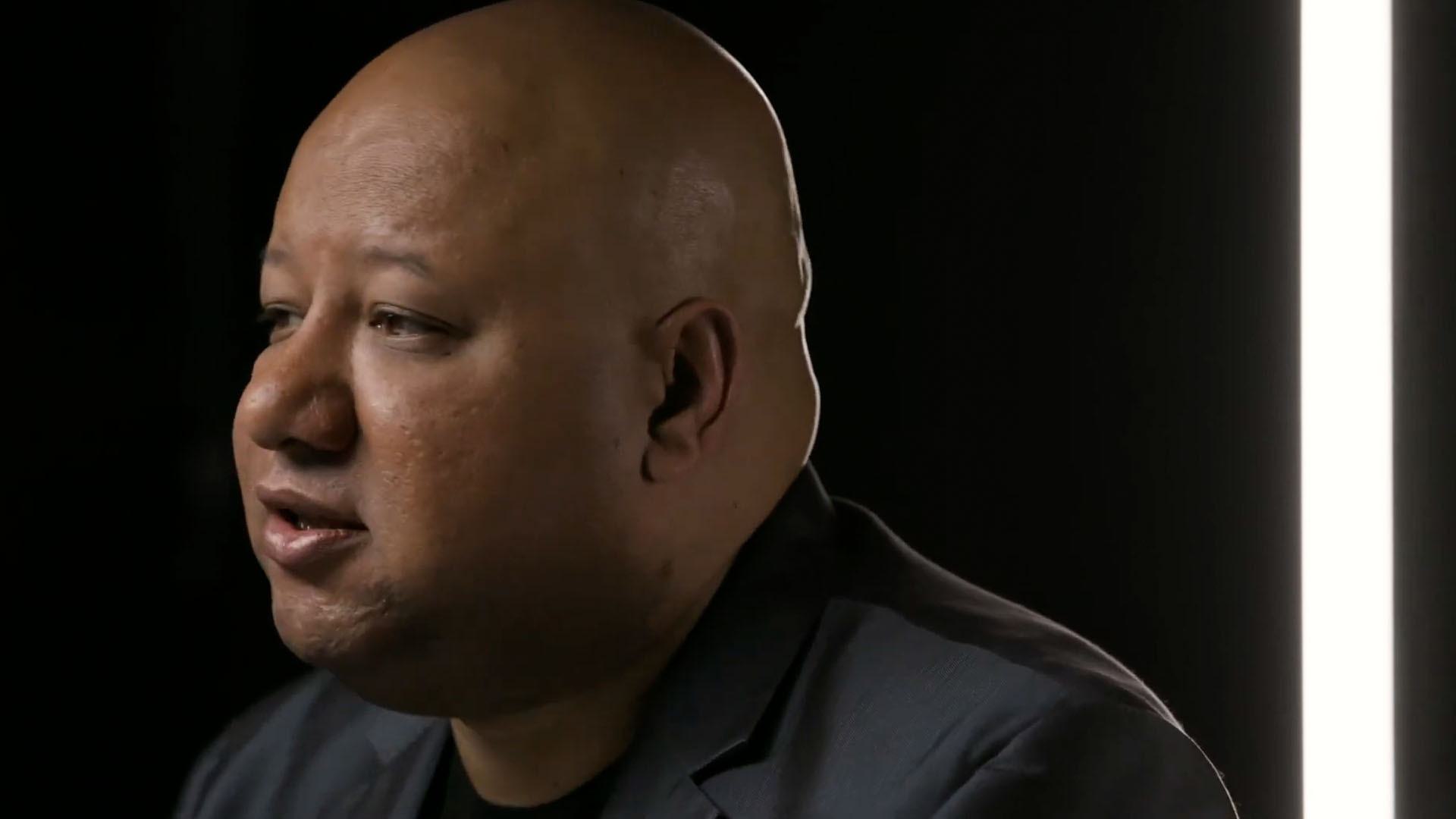
Padsplit is the nation’s largest coliving marketplace that connects property owners with pre-screened residents seeking an affordable place to live. They help real estate investors leverage under-utilized space in existing properties to make it more affordable for community members.

Esusu is the leading platform for renter financial health that helps low-to-moderate-income households access high-quality financial products. Through our rent reporting service, residents establish and build their credit scores while helping property owners improve their ESG strategies and reporting.

Dweller owns and manages accessory dwelling units (ADUs) as long rentals. ADUs are detached houses generally located in residential backyards, and have the look and feel of houses with the amenities found in most small homes.
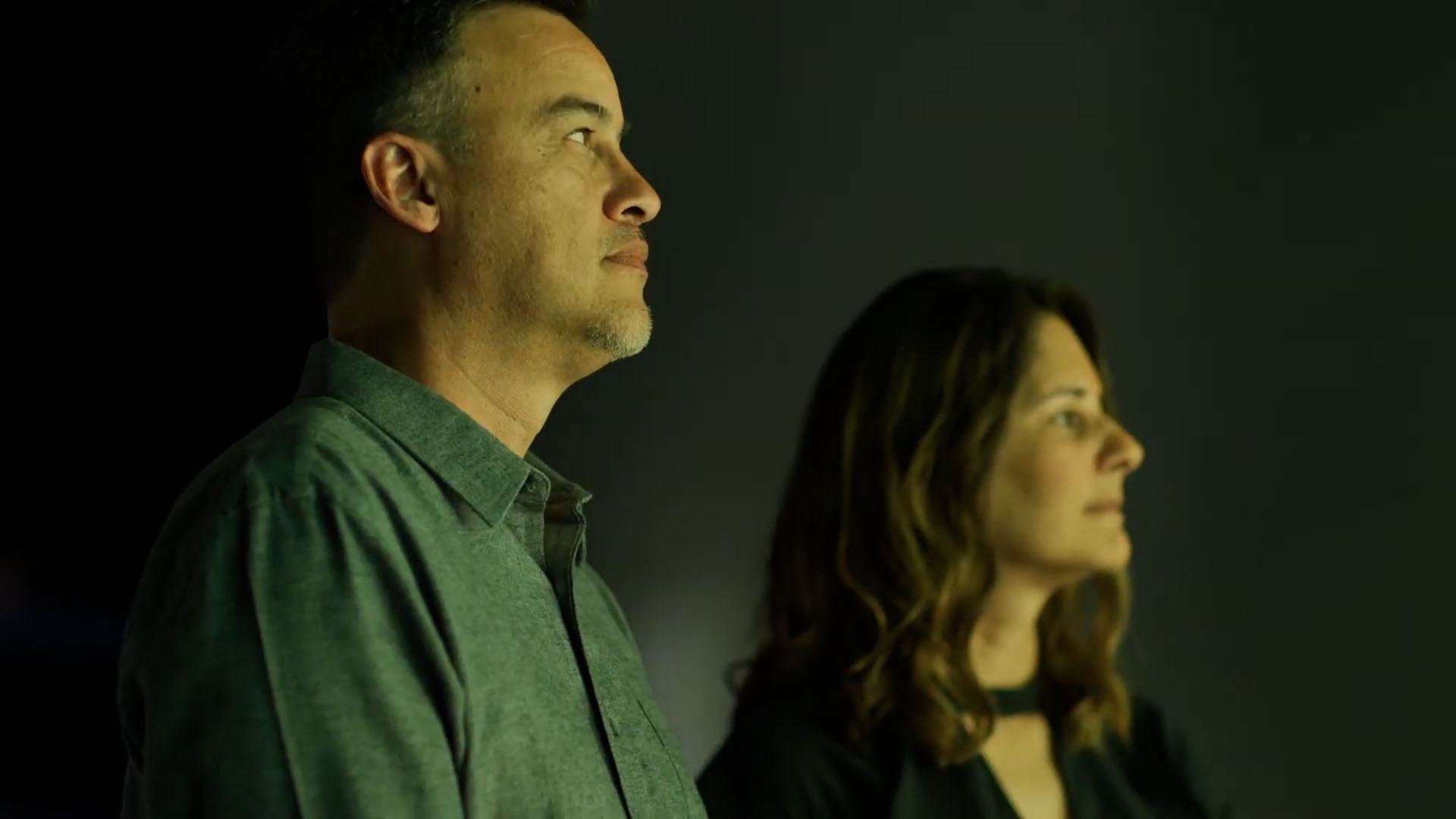
Prefab ADU is a panelized ADU kit builder that makes housing more affordable and accessible to people by providing products and systems that allow people to reduce the design & building costs by as much as 50%.

Hurry Home provided a pathway for renters to own their homes in 10 years, targeting homes valued under $100k.

Digs is an educational and savings tool for people preparing for homeownership. (Acquired by OJO Labs)
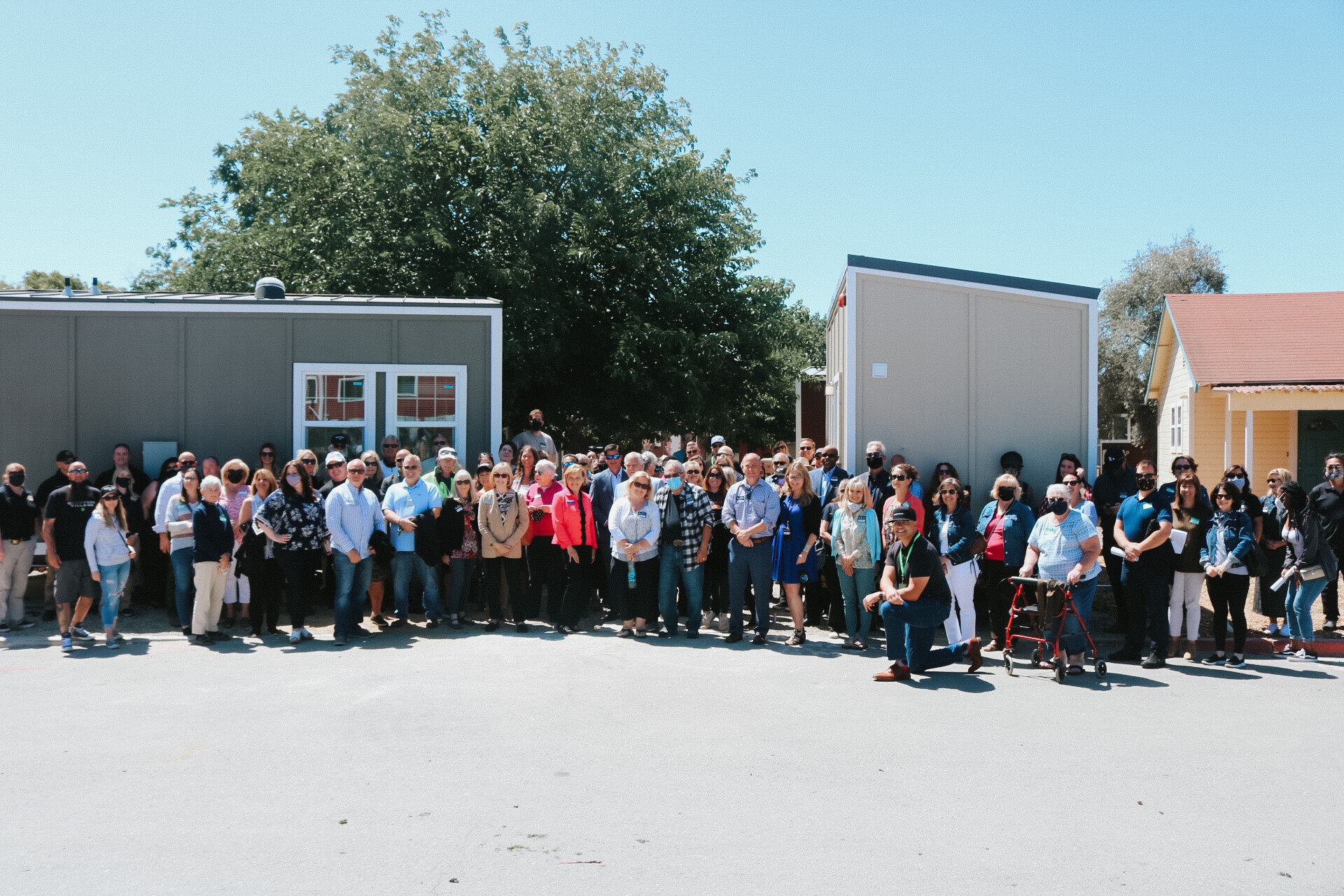
The majority of the Bay Area’s homeless population goes unsheltered every night. For people experiencing homelessness, more time waiting for a home can lead to worsened mental and physical health and more difficulty regaining long-term stability.
Firm Foundation Community Housing believes small urban infill can provide urgently needed relief. The organization works with owners of underutilized land (in many cases, churches and faith communities) to build fully-equipped tiny homes using temporary onsite production facilities. This means homes are built faster and more affordably.
Co-founder Taryn Sandulyak was determined not to cut corners - she wanted to build homes she would be happy for her family to live in. Firm Foundation’s communal, village-style environments aim to honor the dignity of their residents and promote long-term stability.
To support their plans for expansion into cities across the state, Firm Foundation worked with their Housing Venture Lab coach to explore creative financing strategies and plan for organizational capacity-building. See inside Firm Foundation’s tiny homes and meet two former residents, Nick and Sarah.

As a primary care physician, Sameer Sood was often frustrated by the limits of what he could do for patients experiencing homelessness. He knew that factors outside of the hospital like housing and socioeconomic status heavily influenced health outcomes. But he couldn’t prescribe stable housing or a higher-paying job.
Sameer and his co-founders Jeremy Liu and Joshua Prasad founded FWDSlash to weave together systems that weren’t previously connected. The company facilitates connections between housing developers, community organizations and Medicaid health insurers, putting “housing as healthcare” into practice. After a yearlong pilot in West Virginia, participants who found housing through the program saw a 50% reduction in cost of care and 83% reduction in healthcare utilization.
The Housing Venture Lab offered FWDSlash the opportunity to refine their value proposition, explore new opportunities, and plan for geographic expansion.
Meet Sarah Bryant, Housing Service Coordinator at Welcome House in Covington, Kentucky, who was able to connect clients with housing in just a few weeks through a partnership with FWDSlash.
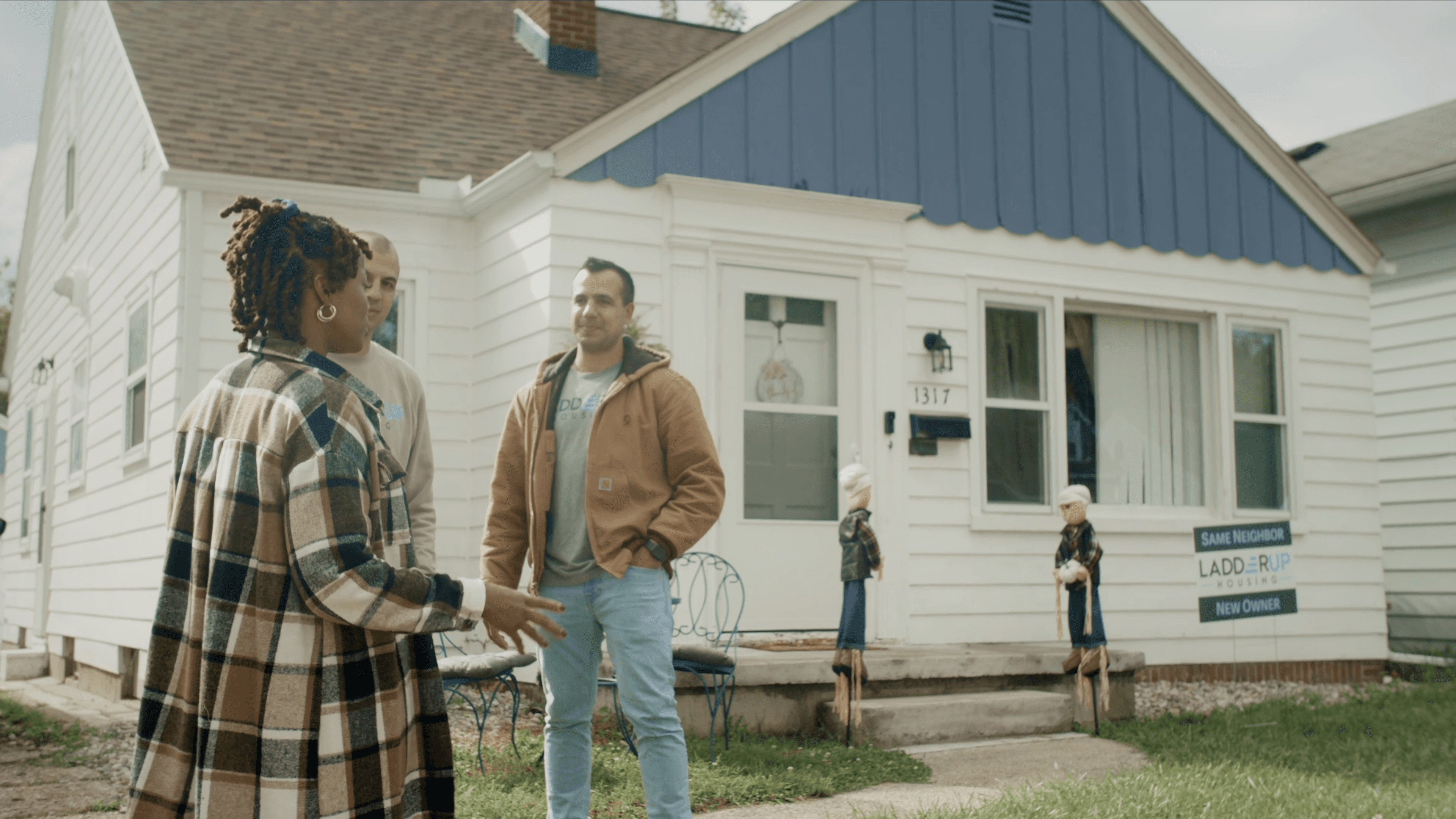
LadderUp Housing co-founders Tom and Greg Voutsos want to do more than help people buy homes: they want to bridge wealth gaps and build equity for future generations of low-income Midwesterners.
As the brothers prepared to launch the Toledo-based company, their research suggested that barriers to homeownership could be overcome with creative solutions. They set about addressing these barriers by buying older, low-cost homes, taking on the repairs themselves, then renting the homes to prospective homeowners and offering in-depth financial coaching. Renters then had the option to purchase their homes at the initial price.
“We’re very humbled by how hardworking our tenants are,” says Tom. “I think it’s emblematic of the character of Toledo and the Midwest that people are excited to work towards homeownership.”
The Housing Venture Lab offered LadderUp Housing an opportunity to explore alternative funding models and connected the founders with leaders from across the housing industry.
Watch to hear from homeowners Jasmine and Briana about how LadderUp Housing helped them buy their homes.
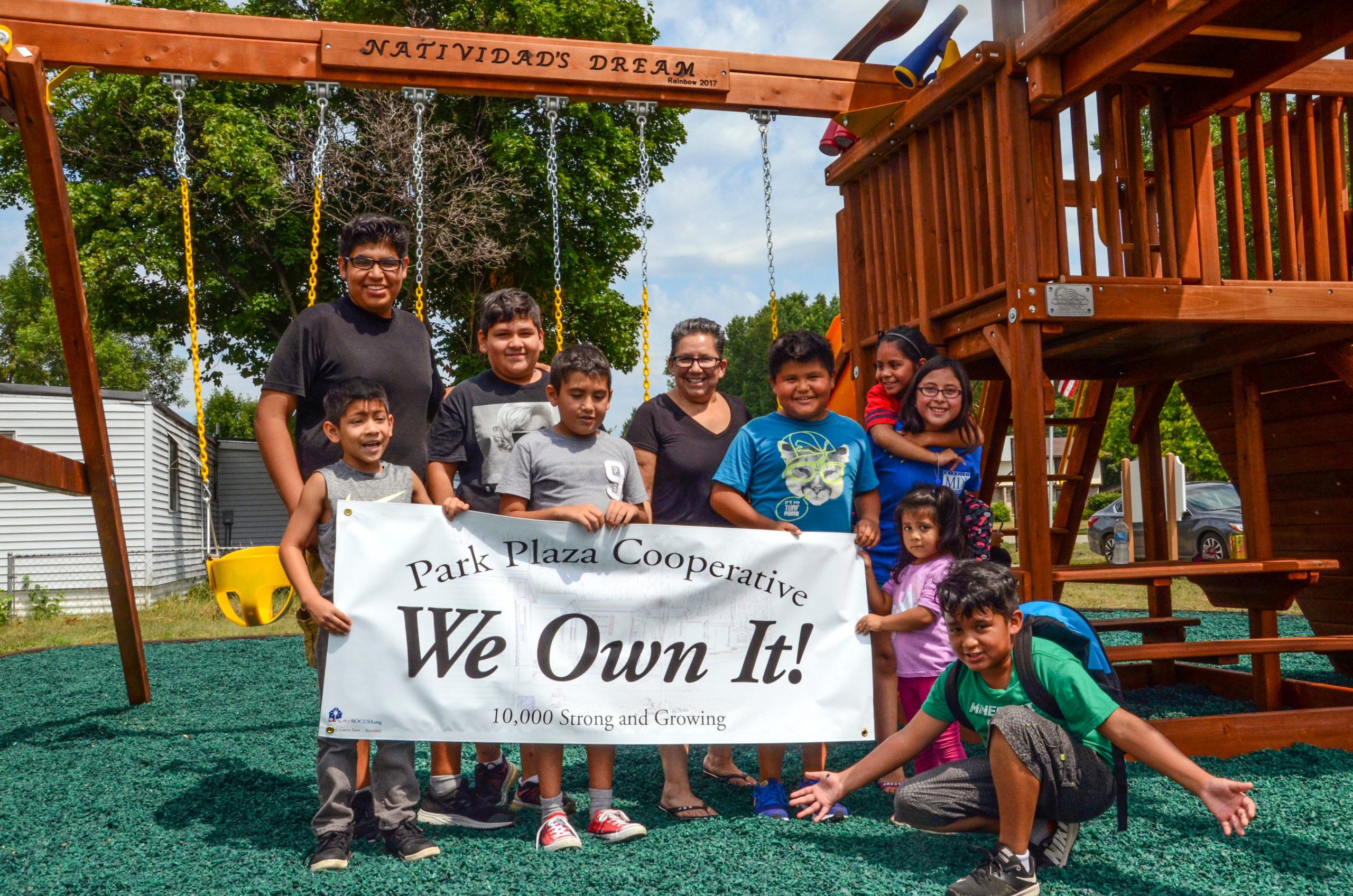
Since 2008, ROC USA has been working with residents of manufactured home communities to collectively buy the land they live on. To date, they’ve converted 321 communities to resident-owned cooperatives. Now they’re working to accelerate their impact with a new subsidiary, Integrity Community Solutions. Through the 2024 Housing Venture Lab, the ICS team worked to develop creative approaches for raising equity to purchase portfolios of multiple manufactured home communities, which they hold until residents are ready to purchase.
Learn more about how ROC USA and Integrity Community Solutions are working to transform manufactured home communities across the country.
Ideas Fellowship Recipient
Washington, D.C. | Founded 2025
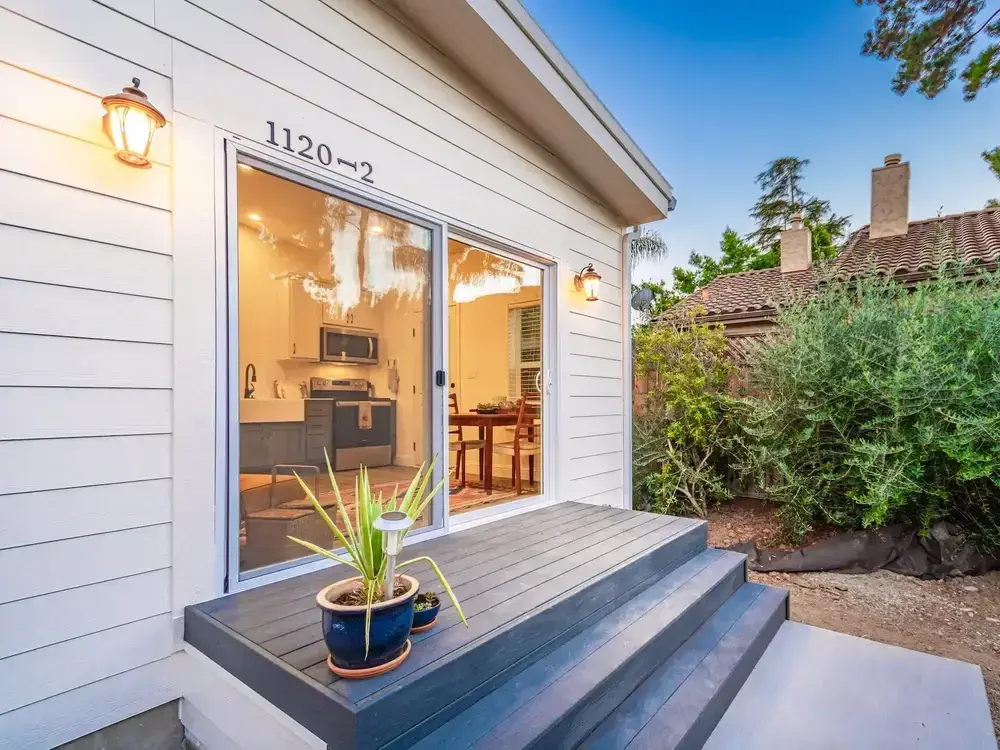
BuildTrust aims to democratize development by unlocking financing to build accessory dwelling units (ADUs) and other scalable housing solutions. As states around the country remove barriers to ADUs and other missing-middle housing options, access to construction financing remains the key challenge in translating policy changes into new homes.
BuildTrust aims to address this by aggregating nationwide project data, providing AI-driven project-level insights, and developing loan products that support innovation through standardization, making construction financing straightforward for lenders and widely accessible for homeowners. Connecting local housing solutions to national financial infrastructure, BuildTrust is helping communities build wealth while addressing the housing crisis one backyard at a time.

Ideas Fellowship Recipient
Oakland, California | Founded: 2020
Buy-In Community Planning (Buy-In) is a nonprofit with the goal of helping communities vulnerable to environmental hazards develop and fund voluntary relocation plans. By combining geospatial data with participatory planning, Buy-In designs buyout programs that allow lower-income homeowners at high risk to safely relocate if they choose. Buy-In seeks to prevent climate-driven wealth loss in low-income communities and communities of color. These communities are often most at risk, living in high-exposure areas with limited infrastructure and facing systemic barriers to vital support like affordable insurance, financing, and government aid while simultaneously facing depreciation of their home assets.
Buy-In's innovative “Buy-In Bank” concept aims to provide affordable financing and insurance alternatives so homeowners can retain equity and purchase safer homes, addressing a critical rehousing cost gap that often disproportionately impacts low-income and BIPOC communities. With a focus on equity and environmental restoration, Buy-In supports resilient, fair, and sustainable solutions to climate-driven displacement.
Moab, Utah | Founded: 2010
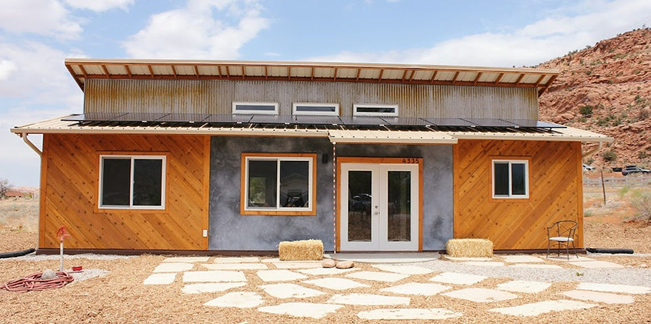
Community Rebuilds is a nonprofit organization that builds affordable, environmentally sustainable homes in rural Utah while training the next generation of construction workers. Through a federally supported “mutual self-help” model, low-income families contribute labor to help build their own homes, reducing construction costs and gaining valuable skills.
Community Rebuilds has built nearly 80 homes in five different communities and trained over one thousand students since 2010, using natural and recycled materials and culturally respectful designs to ensure long-term affordability, energy efficiency, and resilience. By combining hands-on education, sustainable building, and housing equity, Community Rebuilds creates both homes and opportunities for historically underserved communities.

Washington, D.C. | Founded: 2016
Grounded Solutions Network’s Homes for the Future (HFTF) program helps make homeownership more affordable for families with moderate incomes. The program buys houses in neighborhoods where the cost of living is rapidly increasing, rents them at affordable rates while paying off the purchase costs, and then sells them at discounted prices to families or organizations that agree to keep the homes affordable for future buyers.
HFTF is unique in that it locks in affordability at the property level. Rather than requiring fresh subsidy for each subsequent homebuyer, HFTF properties remain affordable for the long-term, providing generations of families with opportunities to build wealth and avoid displacement.

San Francisco, California | Founded: 2024
Infilla is a software startup that helps local governments streamline and modernize their permitting and planning processes - making it faster, easier, and more transparent to build housing. Infilla offers modular tools like impact fee calculators, smart intake forms, and searchable zoning guidance. These tools reduce paperwork, cut down on delays, and help city staff process applications more efficiently, all of which lower costs and speed up housing production, especially for smaller developers and affordable housing projects.
By improving government systems that are often outdated and hard to navigate, Infilla helps ensure that more diverse developers can access and complete projects, making housing development more equitable and predictable.
San Francisco, California | Founded: 2024
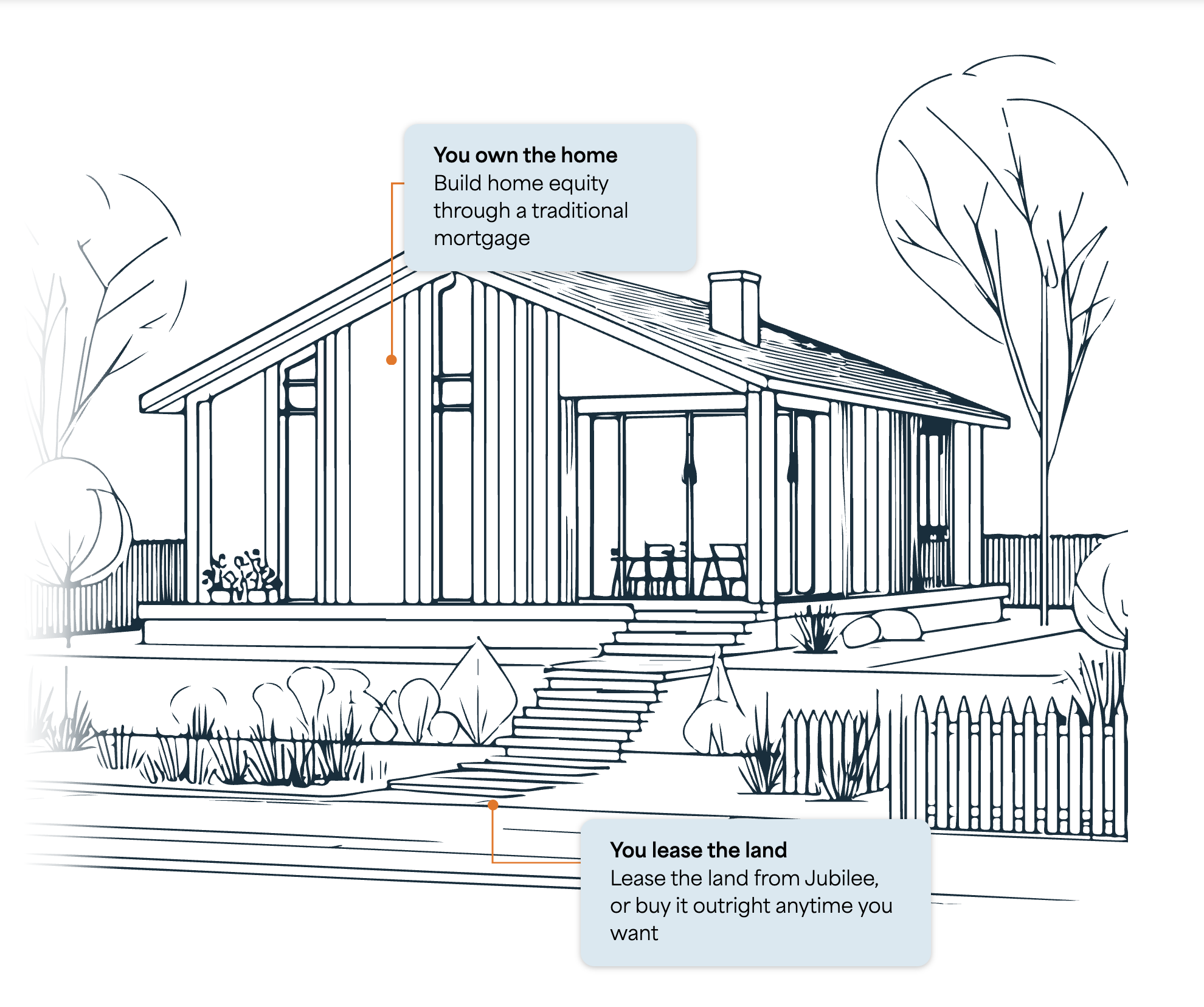
Jubilee Homes offers a market-based approach to affordable homeownership that works to protect buyers and avoid predatory terms. By separating the purchase of a home from the land it sits on, Jubilee enables buyers to significantly reduce their upfront costs by up to 90%. Buyers own their homes outright while Jubilee leases them the land for up to 99 years. Customers have the option to purchase the land at any time, combining the benefits of traditional homeownership with increased affordability.
The model splits property appreciation proportionally between institutional investors and homeowners, aiming to expand access to ownership in high-cost markets. It helps more people, especially those historically priced out, build long-term wealth and stability while maintaining the homeowner’s flexibility and control.

Baltimore, Maryland | Founded: 2019
Rooted, a new venture from Project Own, is a nonprofit web platform designed to help more low- and middle-income families become mortgage-ready by making financial coaching more efficient and accessible. Built specifically for HUD-certified housing counseling agencies, Rooted equips financial coaches with tools like automated credit analysis, mobile-first client intake, and text-based communication to streamline coaching and reduce administrative work. This allows agencies to serve more clients, often first-time homebuyers and predominantly women and Black households, at a lower cost.
With early traction across multiple states and growing partnerships, Rooted is working toward broader adoption across the nation’s 1,500 housing counseling agencies, making homeownership more achievable for those historically locked out.

B.PUBLIC is a sustainability-focused manufacturer of panelized building systems based in Santa Fe, New Mexico. B.PUBLIC is centered on advanced construction methods that are better for homebuilders, homeowners, and the planet. Their product design, materials specs, and industry training programming equip builders to implement sustainable building practices, counteract the rapidly shrinking construction workforce, speed up the adoption of carbon-appropriate materials, off-site construction, and NetZero building performance.

San Francisco-based Cloud Apartments is a data-driven developer platform transforming the construction of multi-family housing into a repeatable, scaleable, and profitable process through a patented modular product and network of certified partners. Cloud leverages its innovation and business model to reduce the cost of construction, enabling cities to increase housing supply quickly & efficiently.

Cycle Retrotech, based in Brooklyn, NY, provides integrated energy and electrification retrofit solutions for multi-family buildings. Leveraging the products of an array of manufacturing partners, Cycle designs, plans and manages the retrofit process from building assessment through design, fabrication, installation, and monitoring. Their turnkey, replicable approach aims to meet the large and growing demand for decarbonization retrofits.

Hydronic Shell is a hardware technology provider based in New York, NY. They have patented a componentized roof- and facade-mounted HVAC system to unlock deep energy retrofit and electrification feasibility for multifamily housing. Their system includes all elements necessary to deliver complete heating, cooling, and ventilation to each unit in tall residential buildings, and by enclosing the components within the new facade, they avoid displacing residents during installation.

MODS PDX is a leading modular builder in the Pacific Northwest, manufacturing volumetric housing units using mass plywood panels, an innovative mass timber product. The company has worked with a diverse array of customers including developers building workforce housing and cities building temporary housing for the unhoused. Operating in Oregon, Washington, Idaho, California and Nevada, MODS PDX’s leadership brings 15 years of experience in modular design and delivery to their efforts to address the housing crisis.

Villa, based in San Francisco, is a next-generation homebuilding platform that applies modern offsite construction methods and technology to efficiently build much-needed housing in infill locations. Villa’s mission is to be the easiest, fastest, and most cost-efficient way to build quality homes. By partnering with a wide network of offsite housing manufacturers, Villa acts as a demand aggregation and fulfillment partner that provides a seamless customer experience through discovery, feasibility, permitting, installation (project management and general contracting), and post-completion service. Villa is currently a leading builder of ADUs throughout California and is expanding into building primary homes across a variety of ‘missing middle’ typologies.

Tacoma, Washington | Founded 2022
Craft Contracting & Consulting is a woman-owned company advancing the future of housing through innovative offsite construction systems and workforce development. By combining prefabrication, modular construction, turnkey delivery, and strategic partnerships, Craft delivers high-quality homes faster while helping expand access to affordable housing and skilled careers.

Poughkeepsie, New York | Founded 2022
The Flagstone Initiative is a 501(c)(3) nonprofit that provides cost-burdened low-income renters with $500 no-fee, no-interest rent loans. Flagstone works in partnership with workforce and LIHTC housing providers to deliver help upstream, preventing small problems like car repairs or illness from turning into big problems like eviction and homelessness.

Somerville, Massachusetts | Founded 2022
Highland Park Technologies designs and manufactures prefabricated rapid-install insulated cladding systems to upgrade multi-family homes. Their GRID product snaps onto the outside of an existing home to add insulation and a new exterior finish at the same time, cutting down on installation time, lowering energy bills, and keeping homes in use longer.

Los Angeles, California | Founded 2025
Keyway Homes is voucher-native housing infrastructure that connects tenants, landlords, and public housing agencies on a single tracked workflow, turning a housing voucher into a signed lease faster and with far less friction.

Stamford, Connecticut | Founded 2021
Matrix Rental Solutions provides technology infrastructure to modernize how affordable housing programs operate. Its platform streamlines applications, screening, verification, and compliance, helping housing agencies, nonprofit organizations, and property owners reduce administrative burden and connect qualified households to housing more quickly.

Crescent Mills, California | Founded 2023
Mosaic Timber is a cross-laminated timber (CLT) manufacturing company which centers on forest management, converting local forest byproducts (produced from thinning wildfire-prone forests) into high-performance mass timber panels. The company turns fuel-reduction efforts into a supply chain for component-based, carbon-smart housing.

San Francisco, California | Founded 2023
Nestment is a homebuying platform built for buyers and distributed through employers. Through 1:1 coaching, proprietary AI tools, clear education, and a vetted network of agents and lenders, Nestment replaces confusion with clarity and aims to give buyers everything they need to make homeownership happen in one place.

London, United Kingdom | Founded 2008
Plumis is a fire safety technology company that designs and manufactures Automist: a water mist-based residential fire suppression system that uses intelligent sensors to locate a fire and direct targeted water mist at its source, suppressing it with up to 90% less water.

Denver, Colorado | Founded 2025
Series Homes aims to make small multifamily and ADU-enabled homes buyable for owner-occupants. Federal lending policy allows buyers to use projected rent to qualify for mortgages on duplexes, triplexes, fourplexes and homes with ADUs, but a lack of infrastructure for these purchases makes this virtually inaccessible. Series Homes’ platform integrates property search, rent-backed mortgage underwriting, and property management to create a naturally affordable “missing middle” homeownership category.

Portland, Oregon | Founded 2022
Shortstack Housing is a replicable development platform and housing product, utilizing mass timber modular construction to increase efficiency at the "missing middle" scale. Its founders aim to demonstrate that a standardized, well-designed product can scale impact and put attainable homes within reach.

Redding, California | Founded 2020
US Offsite is a fully integrated design-build factory that offers developers a turnkey experience, handling everything from design and permitting through manufacturing, transport, and on-site installation. The company has delivered more than 200 modules while maintaining a commitment to workforce development and creating accessible pathways into the trades, especially for people in rural areas.

Austin, Texas | Founded 2021
Viva Benefits provides renters access to wrap-around benefits like 24/7 telehealth, 4% high-yield savings, credit building and home-buying tools to target social determinants of health. These benefits help apartment property owners achieve a 9%+ net income boost from improved renter stability, satisfaction, and retention.
Frequently Asked Questions
Terner Labs and the Terner Center are independent organizations that share knowledge, networks, and expertise, working towards a shared vision. The Terner Center for Housing Innovation at UC Berkeley, founded in 2015, is a housing research and policy organization whose timely analysis and data-driven research help policymakers and practitioners address housing challenges.
Terner Labs was founded in 2020 to complement the work of the Terner Center by scaling innovative solutions to these challenges. Participants in our Housing Venture Lab benefit from access to experts at the Terner Center for guidance on policy issues, and our colleagues at the Terner Center help us identify emergent policy opportunities.
Successful applicants will have a model for increasing affordability while addressing the Housing Venture Labs' core values: equity, accessibility, and sustainability. Typically, applicants must be able to evidence that at least one of those goals is core to their innovation or integrated into the organization’s strategy and operations, and that their models will not have negative equity, accessibility, or sustainability-related impacts.
We recognize there are multiple, layered challenges in the housing space and are looking for ventures tackling a wide range of issues. In past years, many successful ventures the Housing Venture Lab has supported did not align neatly with our areas of interest. If you believe your organization might be a fit, we encourage you to apply.
Applicants to the Housing Venture Lab should be ready for growth, with a core foundation in place. The team should understand the opportunities and constraints their venture faces. Typically this means the organization has completed a pilot or has initial customers but hasn't built or served more than 500 housing units or households. VC-backed startups are usually seed stage or immediately pre-Series A.
If selected, you'll choose one or two senior members of your leadership team to join the cohort. We strongly suggest that founders participate.
For-profit companies that participate in the Lab enter into a Simple Agreement for Future Equity (SAFE). This is a standard agreement built from Y Combinator’s model. It allows us to give cash now in exchange for the right to get equity (ownership) later, typically when a company raises its next priced funding round (like a Series A). These equity positions help ensure the long-term financial viability of the Housing Venture Lab. If you have questions, please reach out to us at [email protected].